
News Around Town, News to Instruct
Cover Image: Masthead of Ka Hoku o Hawaii published on January 25, 1917.
Aloha Nūhou Monday!
Dear Reader, newspapers informed their readerships of news, both foreign and domestic. Ka Hoku o Hawaii was published in Hilo, and much of the news it printed was from Hawaiʻi Island.
The following article provides news, but it also functions as a warning to parents to keep an eye out for their children. It speaks of a sugar plantation worker saving the life of a little girl who was playing too close to a flume. We are not informed of the child’s name. Might anyone know who this is? After this incident, I hope she had a long, happy life.
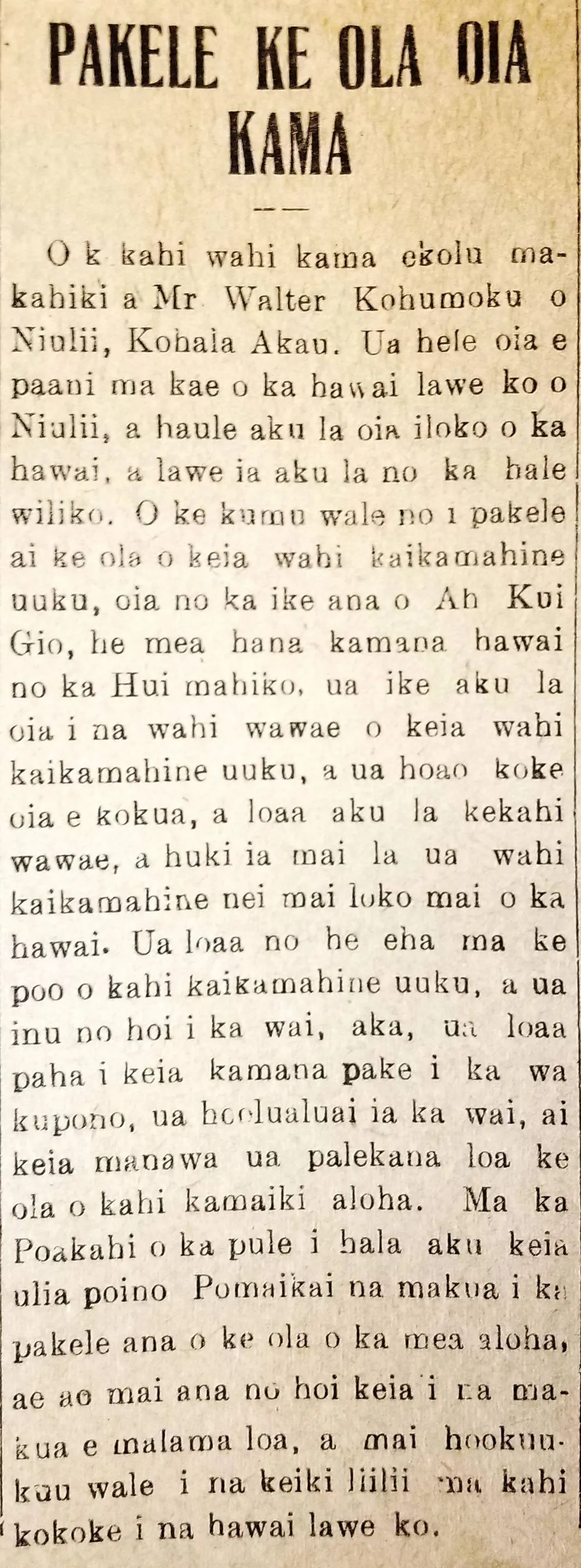
Image: “Pakele ke Ola Oia Kama,” Ka Hoku o Hawaii, January 25, 1917, p. 2.
That Child’s Life Was Saved
The three-year-old child of Mr. Walter Kahumoku of Niuliʻi, North Kohala was playing on the edge of the cane flume of Niuliʻi, fell into the flume, and was being taken to the mill. The only reason this girl’s life was saved was because Ah Kui Gio, a carpenter for the sugar plantation flume witnessed this. He saw the feet of this tiny girl and immediately tried to help. He got a hold of one leg and pulled her out of the flume. The little girl suffered injuries to the head and took in water, but perhaps that Chinese carpenter found her at the right time; he made her regurgitate the water and currently this beloved little one is doing very well. This accident occurred on Monday of last week. The parents of that loved one whose life was saved are lucky, and this should teach parents to be very attentive and not to just let their little children go near cane flumes.
(Ka Hoku o Hawaii, January 25, 1917, p. 2)
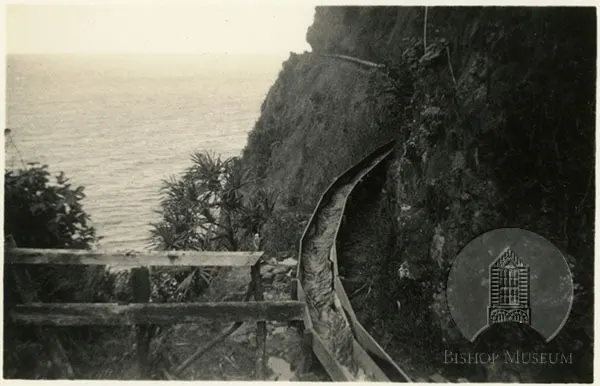
Image: Sugarcane flume running alongside mountain; Hāmākua, Hawaiʻi. ca. 1930. Bishop Museum Archives. SP 216476.
Image sharing on social media is welcome. For all other uses please contact Archives@BishopMuseum.org
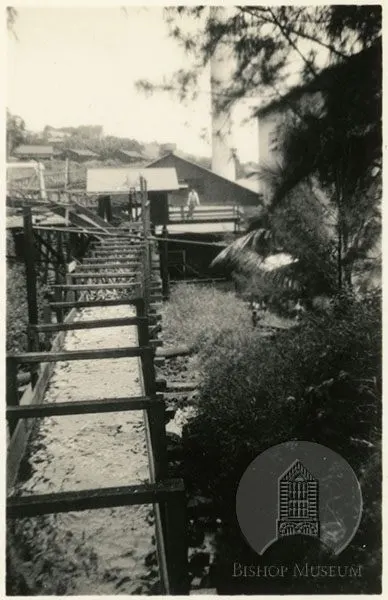
Image: Water running through flume; Hāmākua, Hawaiʻi. ca. 1930. Bishop Museum Archives. SP 216477.
Image sharing on social media is welcome. For all other uses please contact Archives@BishopMuseum.org
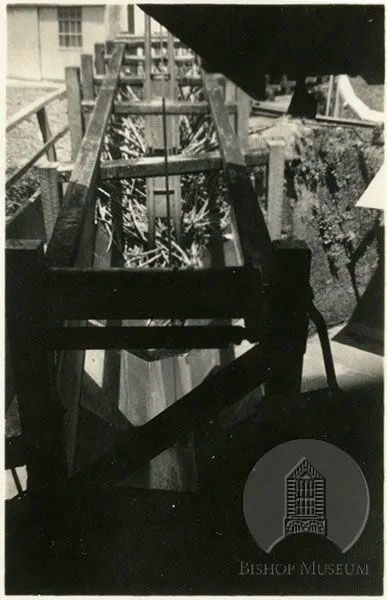
Image: Sugarcane in flume; Hāmākua, Hawaiʻi. ca. 1930. Bishop Museum Archives. SP 216478.
Image sharing on social media is welcome. For all other uses please contact Archives@BishopMuseum.org
More from Ka Hoku o Hawaii
See all →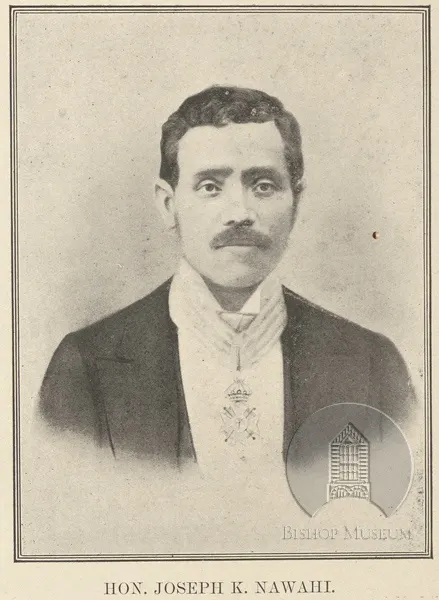
Words to Remind, Inspire, and Uplift
Joseph Kahoʻoluhi Nāwahīokalaniʻōpuʻu was many things; among these, a politician, an artist, and a composer, but above all, he was a patriot.
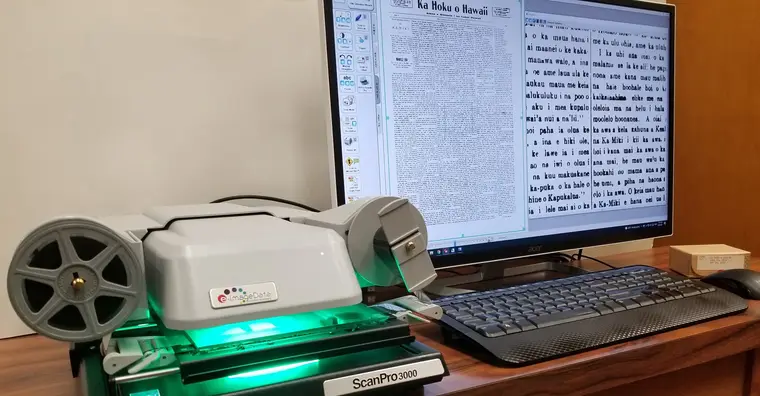
Digitization of Ka Hoku o Hawaii Microfilms: 1906–1917
While cataloging the Bishop Museum collection of Ka Hoku o Hawaii, we realized that the first decade of the Hilo newspaper images were microfilmed and yet for some reason not available online.

Following After the Footsteps of the Aliʻi
Newspapers reported on the latest happenings within the royal circle, whether they were on an excursion to climb Waiʻaleʻale, visiting their people in Kalaupapa, or meeting with world leaders across the globe.
A Place to Record Agricultural Knowledge
Newspapers were a place where information was requested and a place where information was supplied. Much of this knowledge asked for and given dealt with traditional agricultural practices.