
Advertisements and Announcements
Cover Image: Masthead of Ke Au Okoa published on September 25, 1865.
Aloha Nūhou Monday!
Advertisements, though most times tiny and insignificant looking, can add to our understanding of history.
Photographer Henry L. Chase was a passenger on the Ceylon from Boston, arriving in Honolulu in 1856. But he started his career in Hawaiʻi when he opened shop in Honolulu in 1862, where he remained until 1888. He then moved to Wailuku, Maui where he continued his occupation until his death in 1901. It is interesting that in the beginning he was called “Alualu,” by Hawaiians, which literally means to chase. But in the later ad we see him referred to as “Keiki,” which is a Hawaiianized pronunciation of Chase.
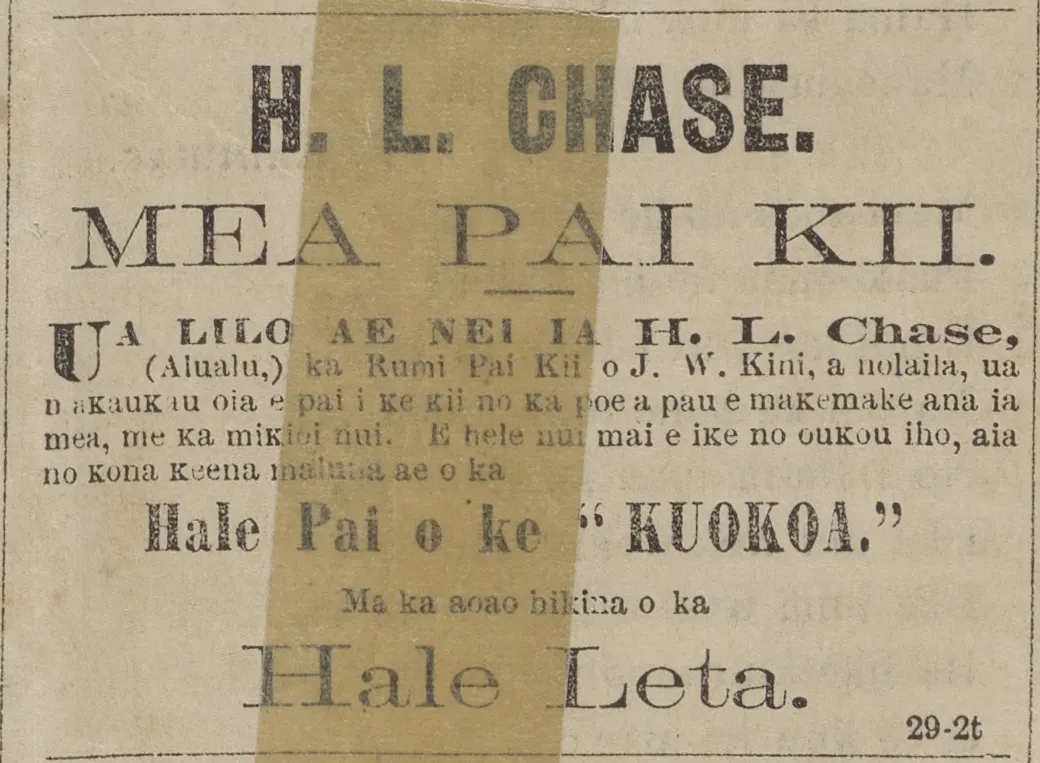
Image: “H. L. Chase,” Ka Nupepa Kuokoa, June 14, 1862, p. 3.
H. L. Chase
Photographer
The Photography Studio of J. W. King has been purchased by H. L. Chase (Alualu). He is prepared to deftly take photographs of everyone who desires. Come down to see; his studio is above the
Printing Office of the “Kuokoa,”
To the east side of the
Post Office
(Kuokoa, 10/31/1868, p. 3)
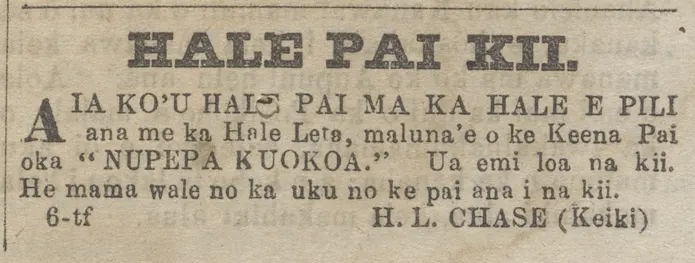
Image: “Hale Pai Kii,” Ke Au Okoa, September 25, 1865, p. 4.
PHOTO STUDIO.
My photo studio is in the building next to the Post Offie, above the Printing Office of the “Nupepa Kuokoa.” The photographs are very reasonable. The cost of taking a photo is very affordable.
(Au Okoa, 9/25/1865, p. 4)
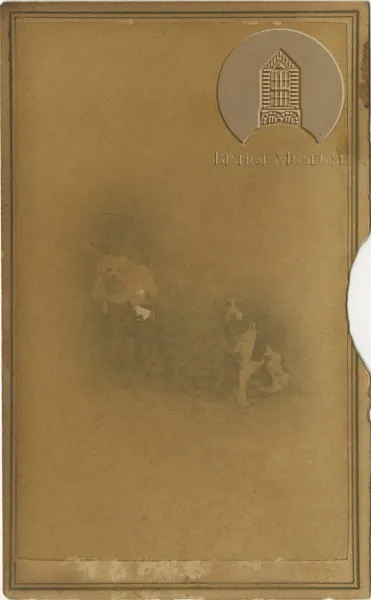
Image: Bernice Pauahi Bishop’s pet dogs, Toby and Figaro; Honolulu, Hawaiʻi, 1875. Photo by H. L. Chase, Bishop Museum Archives. SP 210728.
Image sharing on social media is welcome. For all other uses please contact Archives@BishopMuseum.org
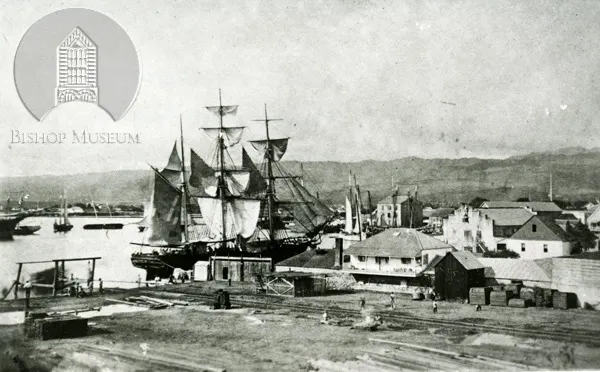
Image: Honolulu Harbor; Honolulu, Hawaiʻi, ca. 1860. Photo by H. L. Chase, Bishop Museum Archives. SP 31463.
Image sharing on social media is welcome. For all other uses please contact Archives@BishopMuseum.org
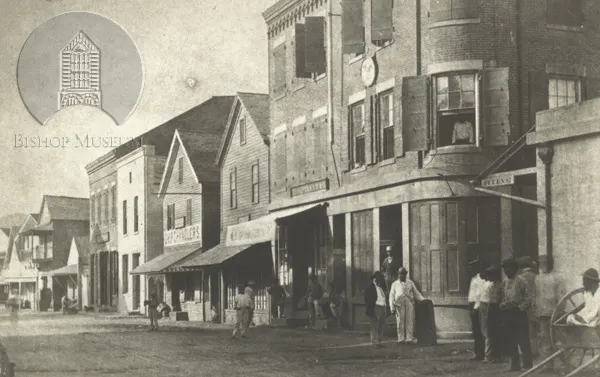
Image: The McKee & Anthon Building on Queen Street from Kaʻahumanu Street; Honolulu, Hawaiʻi, ca. 1868. Photo by H. L. Chase, Bishop Museum Archives. SP 31473.
Image sharing on social media is welcome. For all other uses please contact Archives@BishopMuseum.org
This post is part of He Aupuni Palapala: Preserving and Digitizing the Hawaiian Language Newspapers, a partnership between Bishop Museum and Awaiaulu with assistance from Kamehameha Schools. Mahalo nui loa to Hawaii Tourism Authority for their support. Learn more about this project here.
More from Ka Nupepa Kuokoa
See all →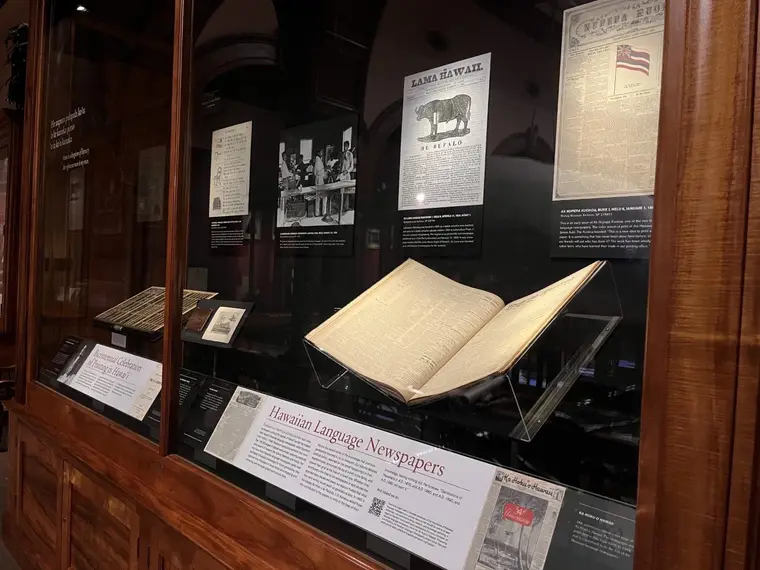
A New Exhibit on the Third Floor of Hawaiian Hall
While the first printing in Hawaiʻi happened on the 7th of January in 1822, we think it is a significant milestone that should be celebrated all year long.
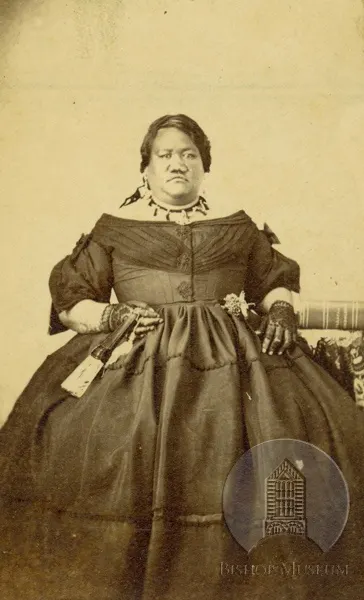
Names and Titles
It was not only foreigners who went by different names. Hawaiians themselves often were known by a number of them. Knowing these different titles and names will allow you access to a wider variety of information.
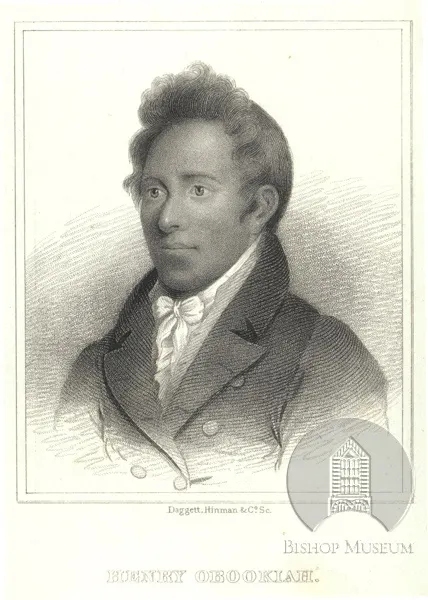
Serial Histories Published as Books
The Hawaiian newspapers ran lengthy moʻolelo, both native and foreign, as serial columns. These entertaining and instructive stories would attract readers to subscribing to the papers so that they could be amongst the first to find out what the latest installment of the moʻolelo would reveal.

Serial Kaʻao Published as Books
The Hawaiian newspapers ran lengthy kaʻao, both native and foreign, as serial columns. These entertaining stories would attract readers to subscribing to the papers so that they could be amongst the first to find out what the latest installment of the kaʻao would reveal.